How to Choose a Concrete Pipe Hook
What is a concrete pipe hook?
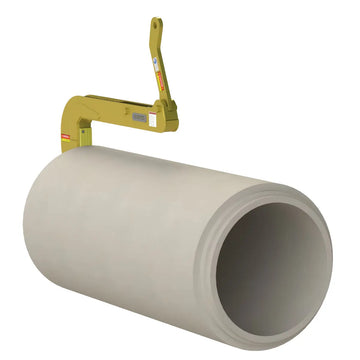
A concrete pipe hook is a crane attachment engineered to grip the bell or barrel of concrete, RCP, or ductile iron pipe so it can be lifted, rotated, and lowered into a trench without chains or slings contacting the pipe wall. It clamps or cradles the pipe end and releases it once the section is seated.
Mechanical or self-leveling — which do I need?
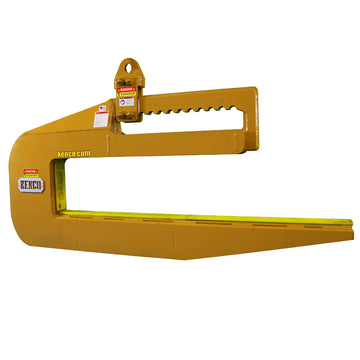
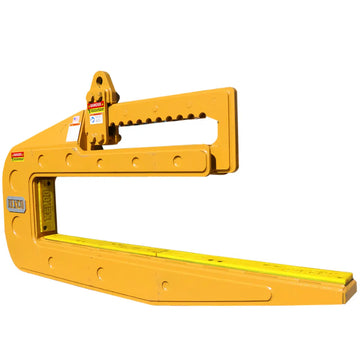
A mechanical pipe hook requires the operator to level the pipe by hand before each pick, which works fine on repetitive same-diameter runs where crews already know the balance point. A self-leveling hook — like the Kenco PH9000SL or PH3500SL — automatically keeps the pipe level through the lift, cutting cycle time on jobs with mixed pipe lengths or frequent diameter changes.
What capacity do I need for my pipe diameter?
Match the hook's rated capacity to the heaviest pipe section you'll handle, not the average, since undersized attachments strain and oversized ones add unnecessary dead weight to the crane's load chart. Kenco's line covers 3,500 lb through 30,000 lb; the IMER hook is built for smaller-diameter, lighter-weight pipe on utility and municipal jobs.
Does hook style affect crew safety on site?
Yes — a hook sized and matched correctly to the pipe reduces manual handling, keeps hands clear of the bell during placement, and shortens the time the load is suspended over the trench. Choosing the right mechanical or self-leveling design for the job is a safety decision as much as a productivity one.