How to Choose Guard Rails, Bollards & Safety Barriers
Matching the right barrier to the hazard keeps people and equipment safe without slowing down your operation. Think about what you're protecting — a rack upright, a building column, a walkway, or a driver at a dock — and pick a product built for that impact level and location.
Fixed or Removable?
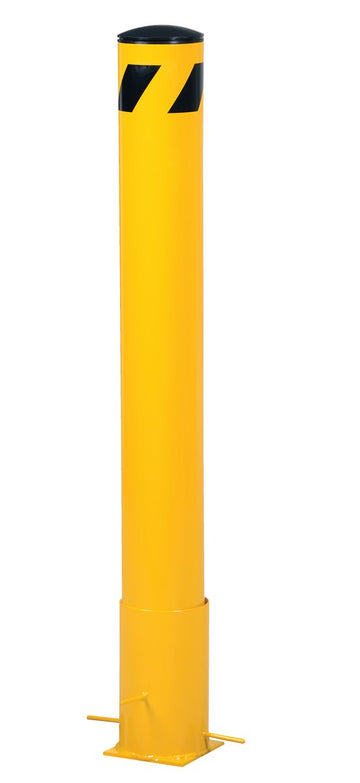
Fixed bollards and welded-baseplate rails work best for permanent traffic lanes, dock edges, and column protection where the barrier should never move. Removable and fold-down bollards make sense where forklifts, trucks, or cleaning equipment need to pass through the same opening throughout the day.
Steel, Aluminum, or Plastic?
Steel and stainless bollards handle heavier impact from forklifts and vehicles. Aluminum and plastic barriers cost less and suit lighter-duty jobs like pedestrian guidance, smoking areas, or temporary construction zones. Match the material to how hard and how often the barrier will get hit.
How Much Impact Protection Do You Need?
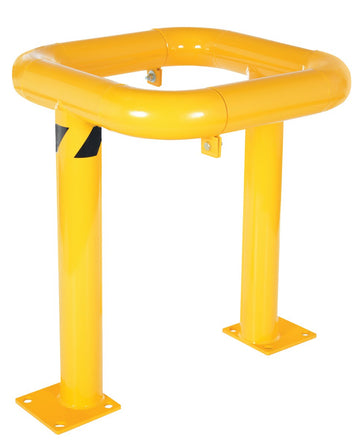
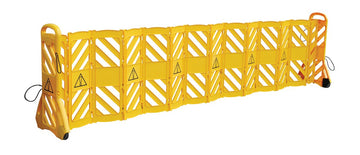
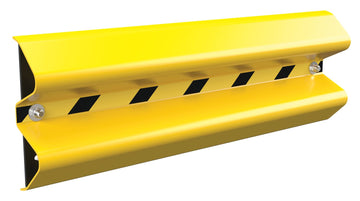
Look at what's behind the barrier. Structural columns and racking need heavy duty column guards or energy-absorbing bollard plates rated for repeated impact. Walkways and low-traffic areas can use lighter handrail sections, interlocking barriers, or mobile safety barriers that are easy to reposition as layouts change.